


Hirschsprung Disease in Children: What Parents Should Know
What Is Hirschsprung Disease?
Hirschsprung disease is a condition where part of the intestine lacks nerve cells, causing it to be unable to relax and move stool through. This leads to severe constipation, bloating, and sometimes intestinal blockage.
How Do I Know If My Child Has It?
- Newborn doesn’t pass meconium (first stool) within 24–48 hours
- Severe constipation or bloating of tummy like a balloon
- Repeated vomiting (sometimes green in color)
- Poor weight gain or feeding difficulties
- Explosive stools after rectal stimulation
- Rectal biopsy is the GOLD STANDARD of diagnosis – will show lack of nerve bundle & imaging will show possible length of problematic bowel.
When Should I Be Concerned?
- Baby has not passed stool in the first 2 days of life
- Chronic constipation in infancy or toddler years
- Frequent abdominal swelling or discomfort
- Severe vomiting or feeding refusal
-rectal biopsy confirms the diagnosis.
Why Is Treatment Important?
If untreated, stool builds up in the intestines, causing discomfort, infection (enterocolitis), or even intestinal rupture. Early diagnosis and surgery can prevent serious complications.
What Is the Treatment?
Surgery involves removing the section of bowel without nerve cells and joining the healthy part to the anus. This is called a pull-through procedure.
- May be done in a single operation or staged approach
- Minimally invasive (laparoscopic) techniques are often used
- Temporary stoma may be needed in some cases.
- Hospital stay of a few days
- Gradual return to feeding and bowel activity
- Most children regain normal bowel habits over time
- Ongoing follow-up may be needed
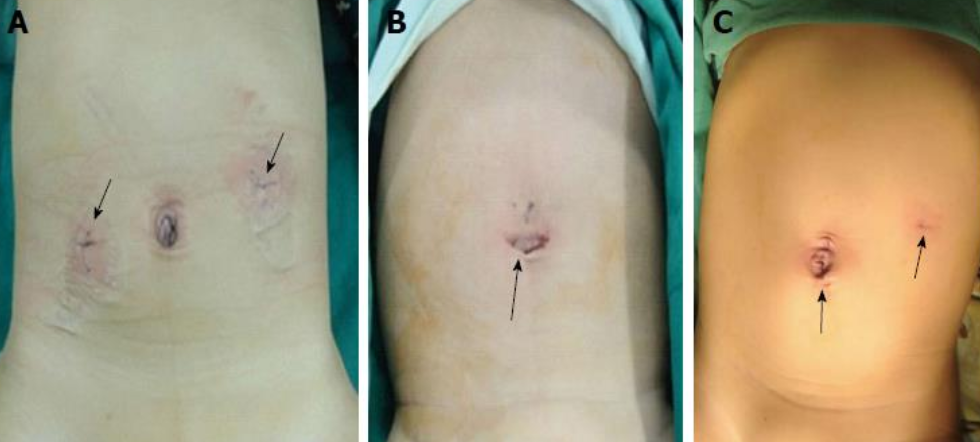
Figure 6: Keyhole surgery with small scar, ensuring faster recovery
Why See a Paediatric Surgeon?
Dr. Daniel is experienced in diagnosing and treating Hirschsprung disease using minimally invasive (LAPAROSCOPIC) and child-friendly techniques. Careful planning ensures safer surgery and better long-term bowel function.


Noted how in Hirschsprung disease – the abnormal bowel is small and normal bowels are dilated. Shown here in radiologically and diagrammatically.
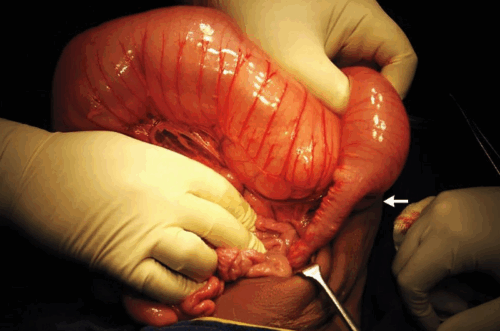
Figure 4
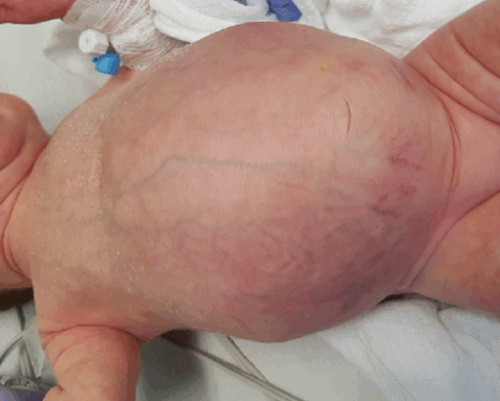
Figure1: a newborn presenting with tummy distention, failed to pass poop within 48 hours of life – suspecting Hirschsprung disease.

Figure 2: a delayed diagnosis of Hirschsprung disease.
Pic Credit: Children Mercy Hospital