

Umbilical Hernia in Children: What Parents Should Know
What Is an Umbilical Hernia?
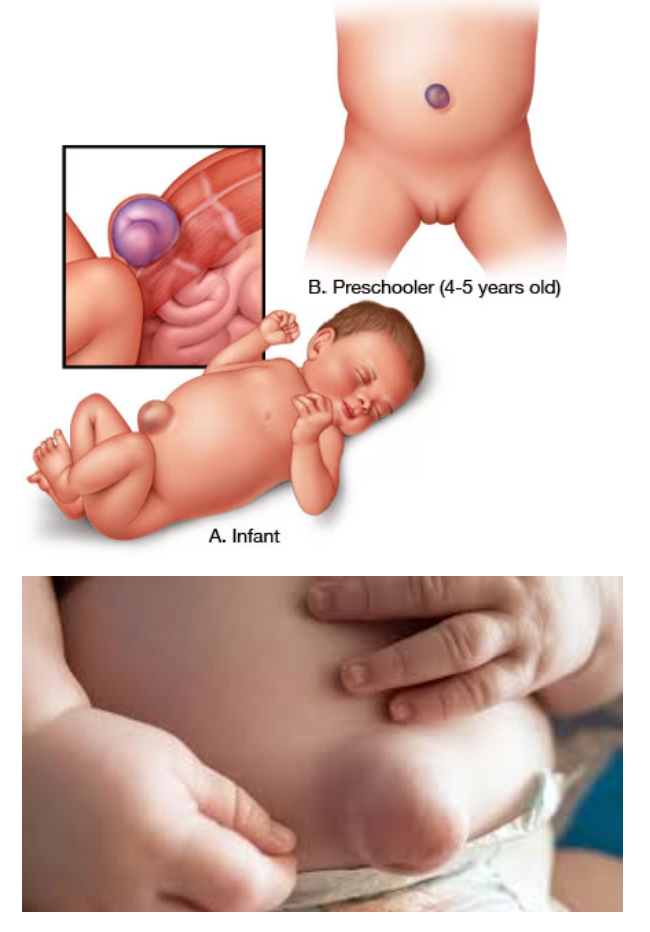
An umbilical hernia occurs when a small opening in the abdominal wall near the belly button allows tissue or intestine to bulge through. This results in a soft swelling or bulge at the navel, especially when the child cries or strains.
How Do I Know If My Child Has It?
- A soft bulge at or near the belly button
- More noticeable when crying, coughing, or straining
- Usually not painful
- May flatten when lying down or relaxed
When Should I Be Concerned?
- The bulge becomes painful, red, or firm
- Your child seems unwell or has vomiting
- The hernia is still present after 2–3 years of age
- The swelling is getting larger
Why Is Treatment Important?
Most umbilical hernias in infants close on their own by age 1–2. However, surgical repair may be needed if:
- It doesn’t close by 2–3 years old
- It is large or growing
- It causes discomfort or complications
What Is the Treatment?
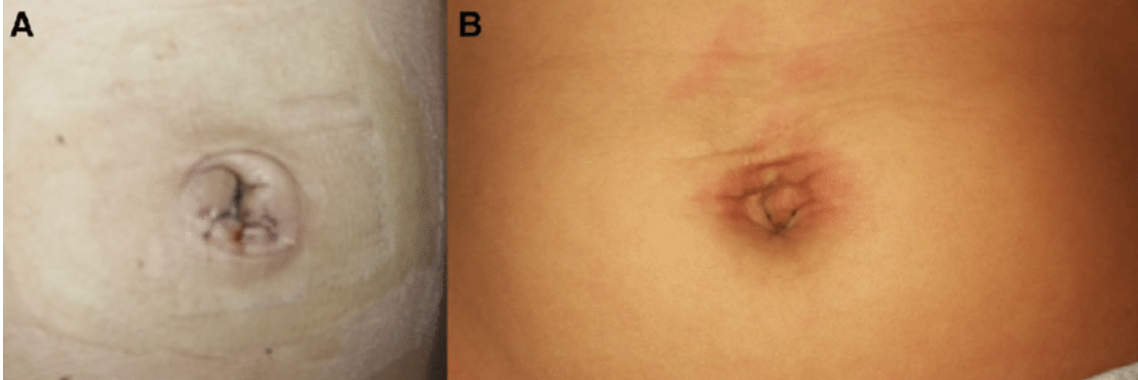
Umbilical hernia repair is a simple day procedure.
- A small incision is made at the belly button
- The opening is closed with stitches
- The procedure takes less than an hour
- Laparoscopic (keyhole) techniques may be used in selected cases
Recovery After Surgery
- Children go home the same day
- Return to normal activities in 1–2 days
- Full recovery within 1–2 weeks
- Minimal scarring and low risk of recurrence
Why See a Paediatric Surgeon?
Paediatric surgeons are trained to handle delicate tissue and small anatomy with precision. Dr. Daniel uses minimally invasive techniques where appropriate, ensuring:
- Faster recovery
- Smaller scars
- Safer outcomes for young children
Frequently Asked Questions (FAQs)
- Can the hernia come and go?
Yes, it may appear more when your child cries or strains, and reduce when relaxed.
2. Is the hernia painful?
Most are painless. Pain, redness, or vomiting needs urgent attention.
3. Can this cause any long-term problems?
If untreated and it doesn’t close, complications such as bowel entrapment could occur.
4. Is surgery safe for young children?
Yes, it is a common and safe procedure in experienced hands.
5. Will it affect my child’s growth or development?
No, surgical correction does not impact growth or milestones.