

Appendicitis in Children
Introduction
Appendicitis is one of the most common surgical emergencies in children. It happens when the appendix, a small tube attached to the large intestine, becomes blocked and inflamed. Without timely treatment, it can burst and cause serious infection inside the abdomen.
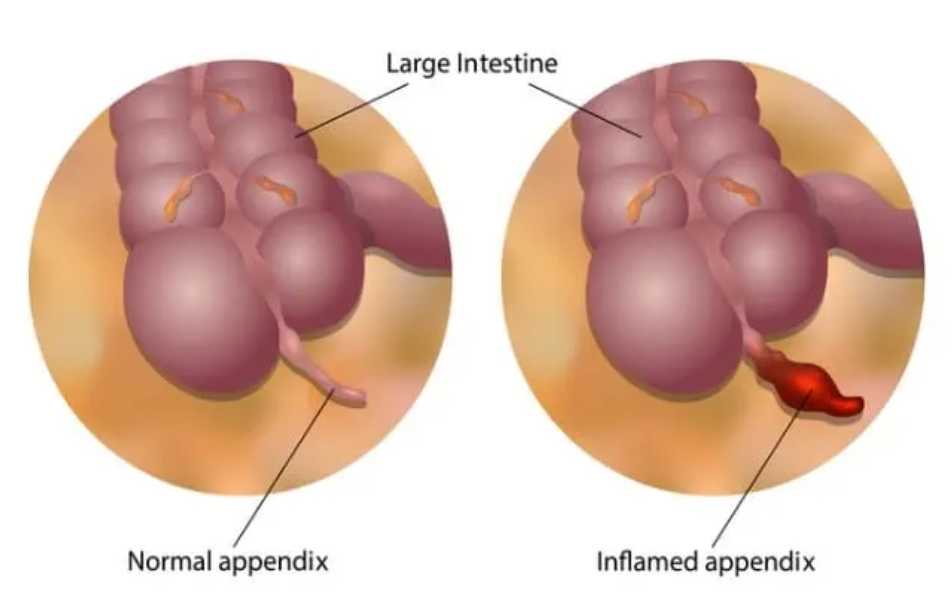
Figure 1: normal Appendix vs inflamed appendix
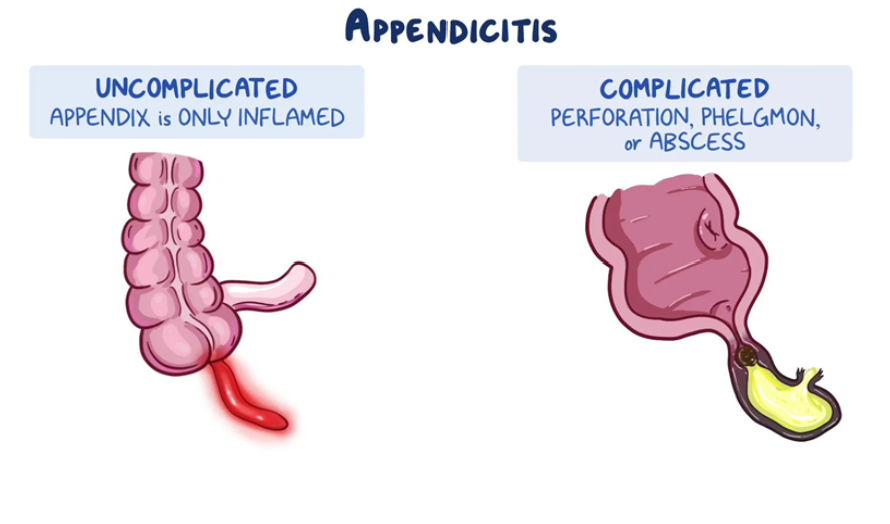
Figure 2: complicated appendicitis

Figure 3: symptoms and signs when you are experiencing appendicitis
Symptoms & Diagnosis
- Sudden pain around the belly button that shifts to the right lower abdomen
- Loss of appetite, nausea, vomiting
- Fever and tiredness
- Sometimes diarrhea or constipation
- Children may refuse to walk or prefer lying still
Diagnosis is made through careful physical examination, blood tests, urine tests, and ultrasound. In some cases, CT scan or MRI may be used.
Treatment
The main treatment is surgery to remove the appendix (appendectomy).
- Laparoscopic (keyhole) surgery is preferred in children because it gives smaller scars, faster recovery, less pain, and allows doctors to look inside the whole abdomen.
- Open surgery is still used if the appendix has burst or if laparoscopy is not available.
- Antibiotics are given before and after surgery to prevent infection.
How Dr. Daniel Manages Appendicitis
When your child is suspected of appendicitis, Dr. Daniel first performs a detailed physical assessment and usually an ultrasound scan. This helps confirm the diagnosis quickly and avoids unnecessary tests.
If appendicitis is confirmed, surgery is recommended without delay. Dr. Daniel’s preferred method is laparoscopic (keyhole) appendectomy, which uses 3 tiny cuts instead of a long incision. This allows a faster and less painful recovery, with minimal scarring.
In cases where the appendix has already burst, Dr. Daniel carefully removes the appendix and performs an abdominal washout to clear infection. He also prescribes antibiotics tailored to children and ensures strong but safe pain relief.
Parents are guided step by step — from admission, through surgery, and until the child is ready to go home. Most children under Dr. Daniel’s care are able to start drinking within 12–24 hours, walk the next day, and return to school within 1–2 weeks.

Figure 4: MIS @key hole surgery is the choice of surgery for children with appendix issue

Figure 5: intraoperative pic – inflamed appendix
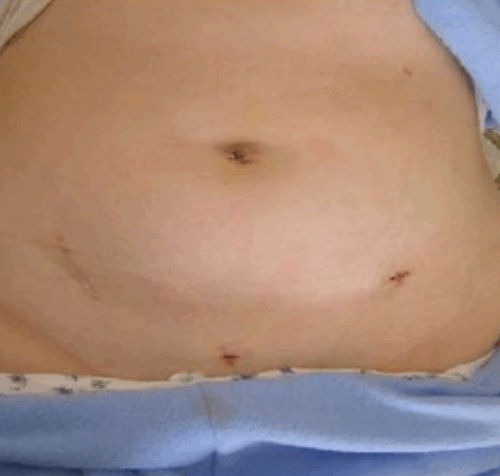
Figure 6 : MIS/Keyhole surgery scar – barely visible, this is the choice of method for appendicitis surgery
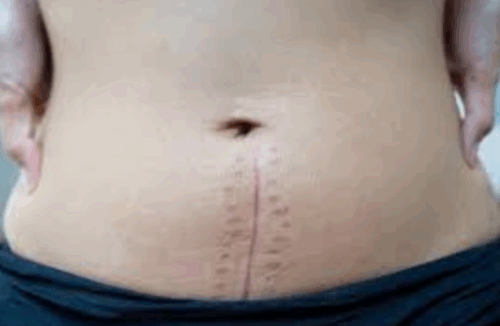
Figure 7: traditional surgery scar - large unsightful scar
Recovery & Follow-up
- Most children recover within a few days after laparoscopic surgery.
- Eating and drinking can usually resume within 24 hours.
- Return to school and normal play within 1–2 weeks.
- Follow-up is important to monitor wound healing and general recovery.